Wastewater Odor Control: Biological vs. Chemical Treatment Methods
4/1/2026
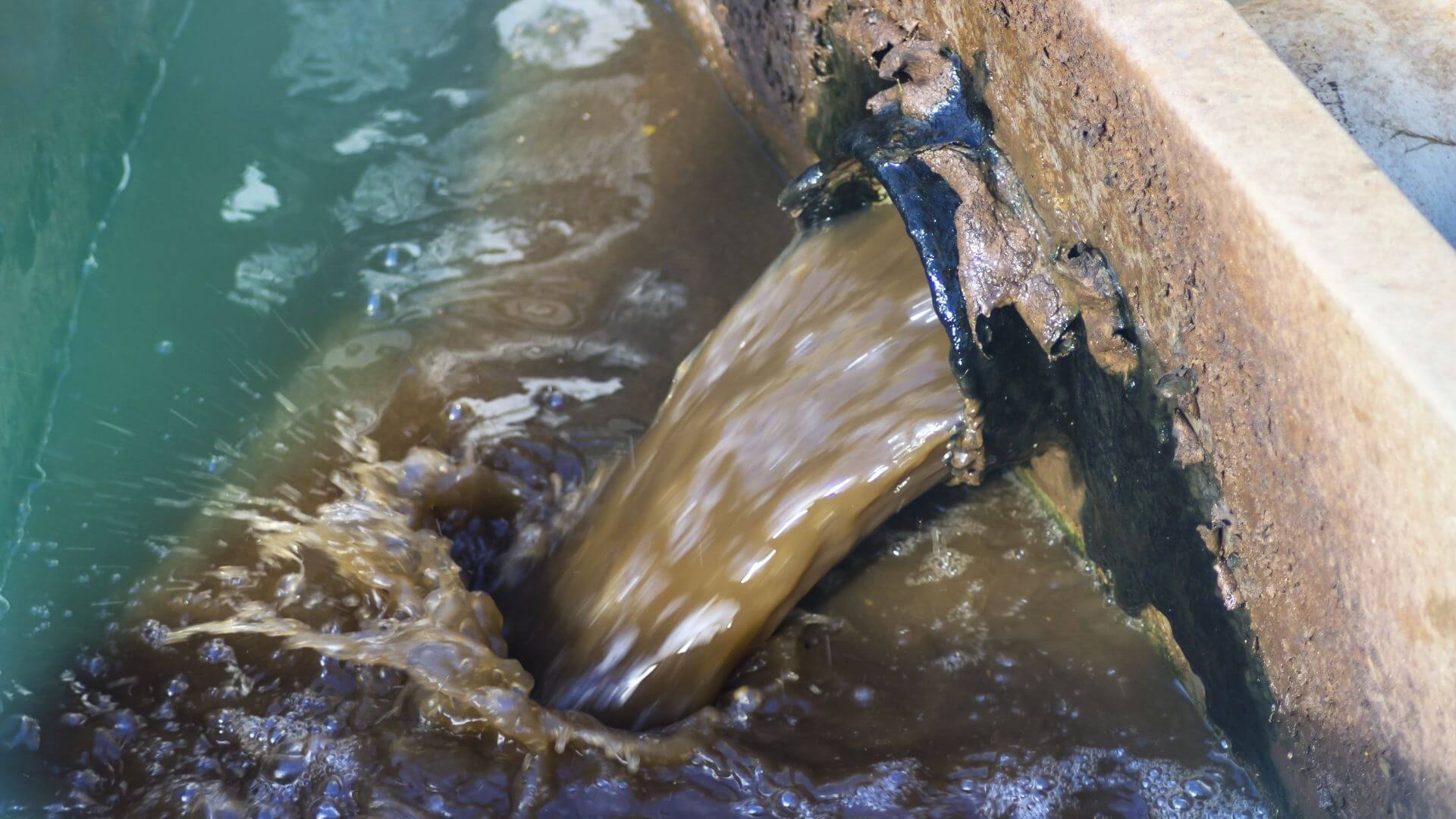
Wastewater treatment facilities must balance performance, compliance, and community relations. Few issues impact all three more directly than persistent odors. Choosing the right odor control strategy can protect infrastructure, reduce complaints, and improve overall system stability.
For facilities seeking dependable chemical product distribution in California, Affect Industries supplies specialty wastewater treatment solutions that support both biological and chemical odor control programs.
What Causes Odors in Wastewater Systems?
A common question operators ask is: What causes wastewater treatment plant odors?
Odors typically develop when organic material decomposes in anaerobic (low-oxygen) environments. Sulfate-reducing bacteria generate hydrogen sulfide (H₂S), which produces the familiar “rotten egg” smell. Other contributors include:
- Ammonia
- Volatile organic compounds (VOCs)
- Mercaptans
- FOG (fats, oils, and grease) buildup
Warm temperatures and long retention times — common in parts of California — accelerate odor formation.
Understanding Biological Odor Control
Biological odor control works by enhancing beneficial bacteria that outcompete odor-producing microorganisms.
How Biological Treatment Works
Biological products introduce carefully selected microbes or nutrients that:
- Reduce sulfide production
- Break down organic matter
- Stabilize wastewater conditions
- Lower overall biochemical oxygen demand (BOD)
These treatments are often applied in lift stations, sewer lines, and sludge holding tanks.
Advantages of Biological Treatment
- Sustainable, environmentally conscious approach
- Addresses odor formation at the source
- Supports long-term system balance
Considerations
- Slower to show results
- Requires consistent dosing
- Performance may vary in extreme anaerobic conditions
Facilities utilizing wastewater treatment products often incorporate biological solutions into preventative maintenance programs.
Understanding Chemical Odor Control
Chemical odor control focuses on directly neutralizing sulfides or preventing their formation through targeted reactions.
What Chemicals Are Used for Wastewater Odor Control?
Operators frequently ask: What chemicals are most effective for wastewater odor control?
Common solutions include:
- Iron salts (bind sulfides to form non-volatile compounds)
- Nitrate-based products (prevent sulfate reduction)
- Hydrogen peroxide (oxidizes hydrogen sulfide)
- Chlorine dioxide (controls H₂S and biofilm growth)
These treatments act quickly and are ideal for addressing acute odor complaints.
Through reliable chemical product distribution, Affect Industries ensures facilities throughout California have access to the products needed for rapid intervention.
Is Biological or Chemical Odor Control Better?
Another common question is: Which odor control method works best — biological or chemical?
The answer depends on system conditions, severity of odor issues, and operational goals.
| Treatment Type | Best For | Speed of Results |
|---|---|---|
| Biological | Preventative, long-term stability | Moderate |
| Chemical | Immediate odor suppression | Fast |
| Combined Approach | Comprehensive control | Balanced |
In many cases, the most effective programs combine both methods. Biological treatment supports ongoing system health, while chemical solutions provide fast correction when sulfide levels spike.
For facilities relying on chemical product distribution in California, working with a knowledgeable distributor helps tailor the right blend of products for each system.
How Can Wastewater Odors Be Reduced Long-Term?
Preventing recurring odor problems requires more than selecting a product. Facilities should also:
- Monitor sulfide levels regularly
- Adjust dosing based on temperature and flow
- Improve wet well mixing
- Manage upstream FOG contributions
Continuous monitoring plays a critical role. Advanced water surveillance solutions help operators detect sulfide trends before they trigger public complaints.
Pro Tip: Establish sulfide benchmarks during stable operating conditions. This baseline makes it easier to detect subtle changes and adjust treatment before odor thresholds are exceeded.
Why Reliable Chemical Distribution Matters
Odor control programs depend on consistent product availability. Delays in chemical delivery can result in:
- Increased hydrogen sulfide levels
- Infrastructure corrosion
- Emergency treatment costs
- Community dissatisfaction
Affect Industries supports municipalities and industrial facilities with dependable specialty chemical supply throughout California.
Learn more about the company’s expertise on the About Us page or connect directly through the Contact Us page to discuss your odor control program.
Effective wastewater odor management protects infrastructure, supports compliance, and strengthens community relationships.
We connect specialty products with the customers who need them.