Signs Your Closed-Loop Heating System Needs Treatment
10/1/2025
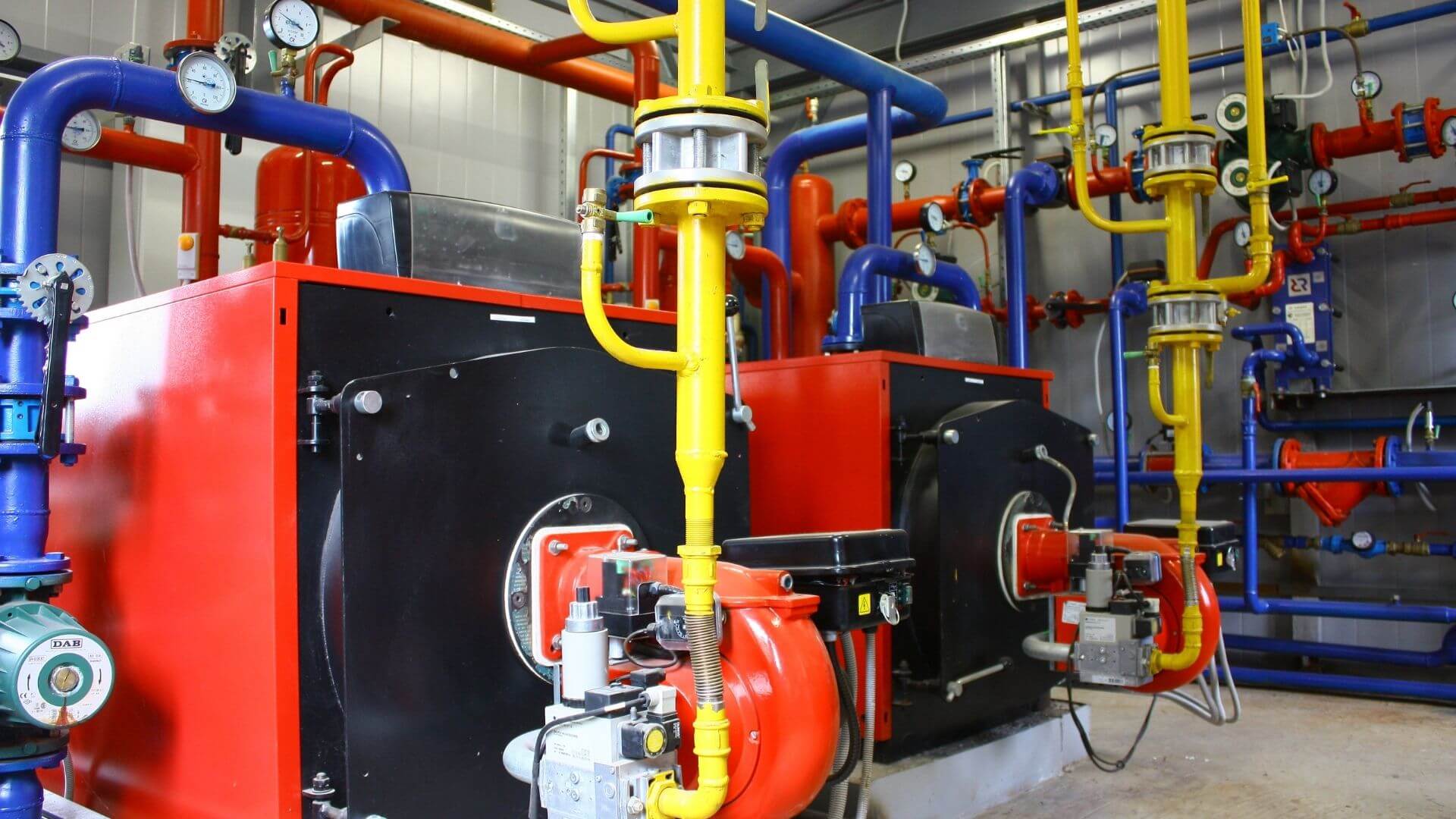
Closed-loop heating systems are designed for efficiency, stability, and long service life. Because they are sealed systems, many facility managers assume they require minimal maintenance. However, even closed systems can experience corrosion, glycol degradation, and performance issues over time.
Recognizing early warning signs can prevent costly downtime and extend equipment lifespan. For facilities seeking dependable chemical product distribution in California, Affect Industries supplies specialty heat transfer fluids and system treatment solutions designed to keep closed-loop systems operating at peak performance.
Do Closed-Loop Heating Systems Need Treatment?
A common question operators ask is: If it’s a closed-loop system, why would it need treatment?
Although these systems are sealed, they are still susceptible to:
- Oxygen infiltration during maintenance
- Fluid dilution from minor leaks
- Glycol oxidation
- pH imbalance
- Corrosion inhibitor depletion
Without routine testing and treatment, system efficiency can decline — sometimes without obvious warning.
1. Reduced Heating Efficiency
One of the first signs your closed-loop heating system needs attention is decreased performance.
You might notice:
- Longer warm-up times
- Inconsistent temperature control
- Higher energy usage
Another frequent question is: How do I know if my glycol is no longer effective?
Over time, glycol-based heat transfer fluids can break down and lose corrosion protection. When this happens, heat transfer efficiency decreases and system strain increases.
Explore available heat transfer fluids to restore optimal performance.
2. Discolored or Contaminated Fluid
Closed-loop fluid should remain relatively clean and stable. Warning signs include:
- Darkened or rusty-colored fluid
- Cloudiness
- Sludge formation
- Strong or unusual odor
These conditions may indicate:
- Corrosion inside piping
- Glycol degradation
- Bacterial contamination
- Inhibitor breakdown
Routine sampling helps determine whether treatment, filtration, or full fluid replacement is required.
3. Corrosion or Rust Around Components
Operators often ask: What causes corrosion in a closed-loop heating system?
Corrosion can develop when:
- Oxygen enters the system
- Inhibitors are depleted
- pH levels fall outside recommended ranges
Visible corrosion on fittings, pumps, or expansion tanks may signal internal damage as well.
Reliable chemical product distribution in California ensures access to corrosion inhibitors and treatment products before minor issues escalate into major repairs.
4. Air in the System or Unusual Noises
Gurgling sounds, pump cavitation, or fluctuating pressure can indicate air intrusion.
Air may enter through:
- Faulty seals
- Low fluid levels
- Maintenance activities
Once inside, oxygen accelerates corrosion and reduces heat transfer efficiency. Addressing air issues promptly protects system components and fluid integrity.
5. Inconsistent Freeze Protection Levels
Facilities frequently ask: How often should a closed-loop system be tested?
At minimum, systems should be tested annually — and more frequently for mission-critical operations.
If freeze protection levels fall below recommended thresholds, your system may be vulnerable during colder weather. Even in California, inland and higher-elevation facilities can experience freezing temperatures that threaten unprotected systems.
Regular testing verifies:
- Glycol concentration
- Corrosion inhibitor levels
- pH balance
- Overall fluid health
Pro Tip: Always verify freeze protection with a calibrated refractometer or lab analysis. Relying on original fill documentation can lead to underprotected systems if dilution has occurred.
The Cost of Ignoring Treatment
Delaying maintenance or fluid replacement can result in:
- Reduced energy efficiency
- Increased operating costs
- Pump and valve failure
- Premature heat exchanger damage
- Emergency shutdowns
Preventative treatment programs are significantly more affordable than major system repairs.
Through dependable chemical product distribution, Affect Industries supports facilities statewide with consistent access to high-quality treatment solutions.
Monitoring for Long-Term Reliability
Closed-loop heating systems benefit from structured maintenance programs that include:
- Annual fluid testing
- Corrosion inhibitor analysis
- System flushing when needed
- Performance documentation
Facilities may also integrate broader oversight using water surveillance solutions to identify trends that could impact heating performance.
Proactive monitoring protects equipment investments and improves long-term reliability.
Partner with a Trusted Chemical Distributor in California
Closed-loop heating systems are critical for manufacturing facilities, commercial buildings, healthcare institutions, and municipal operations. Ensuring proper fluid treatment protects performance and extends equipment life.
For reliable chemical product distribution in California, Affect Industries supplies specialty heat transfer fluids and treatment products tailored to industrial heating systems.
Learn more about the company’s expertise on the About Us page or connect directly through the Contact Us page to evaluate your system’s needs.
We connect specialty products with the customers who need them.