Industrial Freeze Protection: Protecting Critical Systems During Cold Weather
12/1/2025
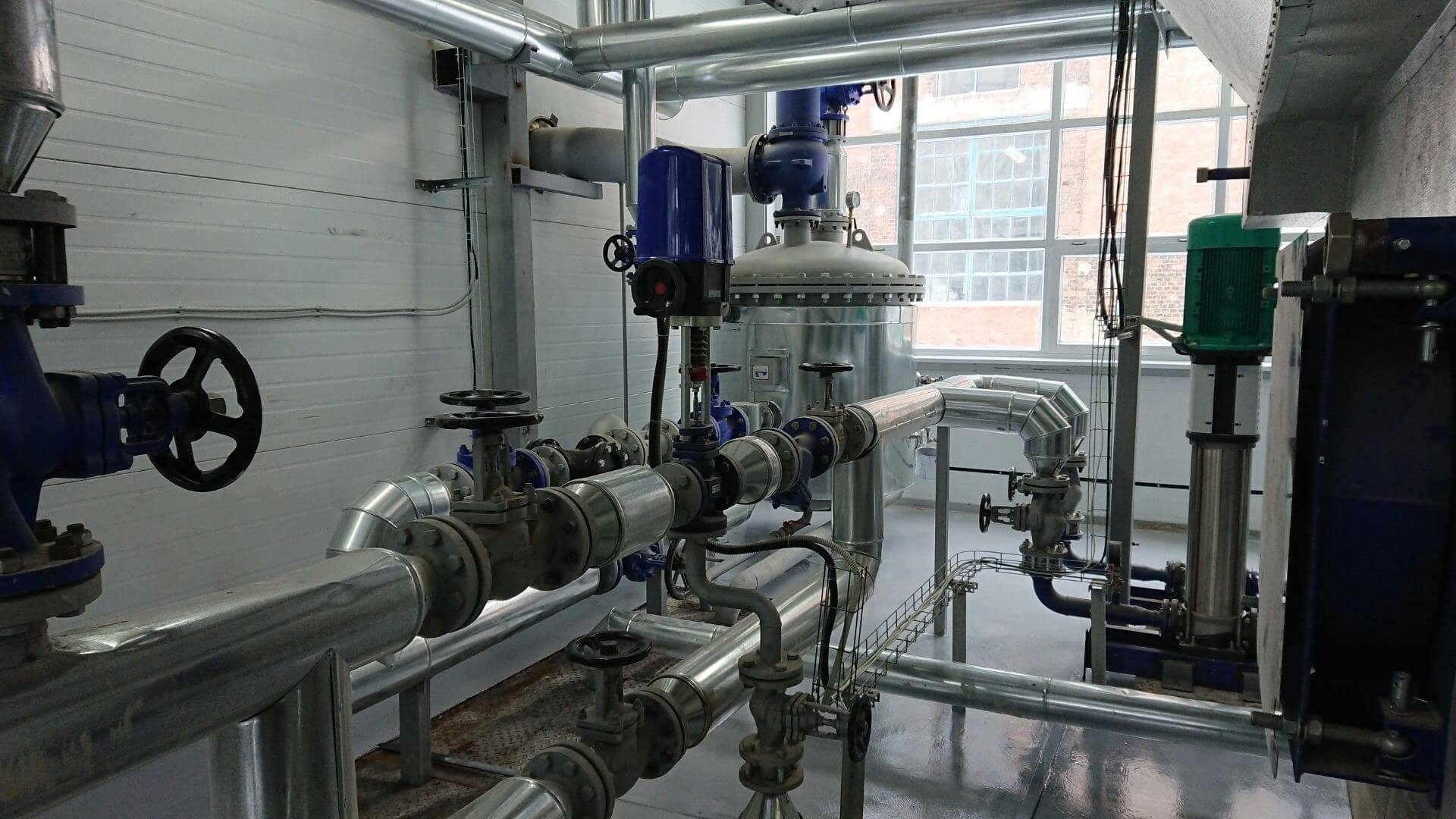
Even in regions known for mild climates, cold weather can create serious risks for industrial systems. Overnight temperature drops, high-elevation facilities, and seasonal fluctuations across the state can all contribute to unexpected freeze damage. Without proper preparation, critical systems can fail — leading to downtime, repairs, and operational disruption.
For businesses seeking dependable chemical product distribution in California, Affect Industries provides specialty heat transfer fluids and freeze protection solutions designed to safeguard essential infrastructure during colder months.
Why Is Industrial Freeze Protection Necessary?
A common question facility managers ask is: Do industrial systems really need freeze protection in California?
The answer depends on location and exposure — but in many cases, yes.
When water freezes, it expands. In closed-loop or process systems, that expansion can:
- Crack pipes
- Rupture heat exchangers
- Damage pumps and valves
- Compromise seals and fittings
Even short freeze events can cause hidden stress fractures that lead to leaks later in the season.
Which Industrial Systems Are Most at Risk?
Certain systems are particularly vulnerable to freezing temperatures:
- Closed-loop heating systems
- Hydronic HVAC systems
- Fire suppression lines
- Outdoor process piping
- Cooling towers during shutdown periods
- Wastewater treatment components
Facilities in manufacturing, food processing, commercial properties, and municipal operations must evaluate system exposure well before winter arrives.
Working with a trusted partner for chemical product distribution in California ensures access to the proper freeze protection fluids before demand spikes.
What Is the Best Freeze Protection Fluid?
Another frequently asked question is: What fluid should be used for industrial freeze protection?
In most cases, glycol-based heat transfer fluids are used to reduce the freezing point of water-based systems. The two most common options include:
Propylene Glycol
- Lower toxicity
- Preferred in food-related or environmentally sensitive applications
- Provides reliable freeze and burst protection
Ethylene Glycol
- Excellent heat transfer efficiency
- Common in heavy industrial systems
- Typically more cost-effective
Selecting the right glycol depends on system design, safety requirements, and environmental considerations.
Explore available heat transfer fluids designed for industrial applications.
How Do You Protect Industrial Pipes from Freezing?
Operators often ask: How can industrial pipes be protected during cold weather?
Effective strategies include:
Maintain Proper Glycol Concentration
Ensure freeze protection levels match regional temperature risks.Perform Annual Fluid Testing
Confirm freeze point and inhibitor levels remain within recommended ranges.Insulate Exposed Piping
Reduce heat loss and temperature fluctuations.Install Heat Tracing Systems
Use electric or steam tracing for critical lines.Monitor System Pressure
Low pressure can indicate leaks or dilution.
Pro Tip: Don’t assume your system is protected based on initial fill levels. Glycol can degrade or become diluted over time. Routine testing with calibrated instruments ensures accurate freeze protection.
The Hidden Costs of Freeze Damage
Failing to prepare for cold weather can result in:
- Emergency shutdowns
- Production losses
- Expensive repairs
- Insurance claims
- Environmental risks from leaks
In many cases, a single freeze event can exceed the cost of implementing a preventative maintenance program.
Through reliable chemical product distribution, facilities can secure high-quality heat transfer fluids and system treatments before winter conditions develop.
Ongoing Monitoring and Maintenance
Freeze protection is not a one-time task. Glycol solutions can:
- Oxidize over time
- Lose corrosion inhibitors
- Become diluted from system leaks
- Develop pH imbalances
Routine monitoring ensures:
- Proper freeze point protection
- Reduced corrosion risk
- Efficient heat transfer
- Extended equipment lifespan
Facilities may also benefit from broader oversight through water surveillance solutions to identify trends that could impact system performance.
Partnering with a Trusted Chemical Distributor in California
Industrial freeze protection requires more than simply purchasing glycol — it demands consistent supply, quality assurance, and knowledgeable support. Sudden cold snaps can place systems at risk if proper fluid inventory is not readily available.
Affect Industries supports businesses statewide with responsive chemical product distribution in California, including specialty heat transfer fluids tailored to industrial needs.
Learn more about the company’s experience on the About Us page or connect directly through the Contact Us page to prepare your systems for colder weather.
Protecting critical systems during cold weather supports operational continuity, reduces long-term costs, and strengthens overall reliability.
We connect specialty products with the customers who need them.